
The Ingredients and Principles of Baking Powder

I.Introduction
A. Baking powder plays a crucial role in the realm of baking, serving as a chemical leavening agent that facilitates the rising of dough and contributes to the desired texture of baked goods.
B. This blog aims to explore in depth the components and underlying principles of baking powder, offering insights into its function and providing valuable knowledge and techniques for baking enthusiasts.
II. Components of Baking Powder
A. Main Component: Sodium Bicarbonate
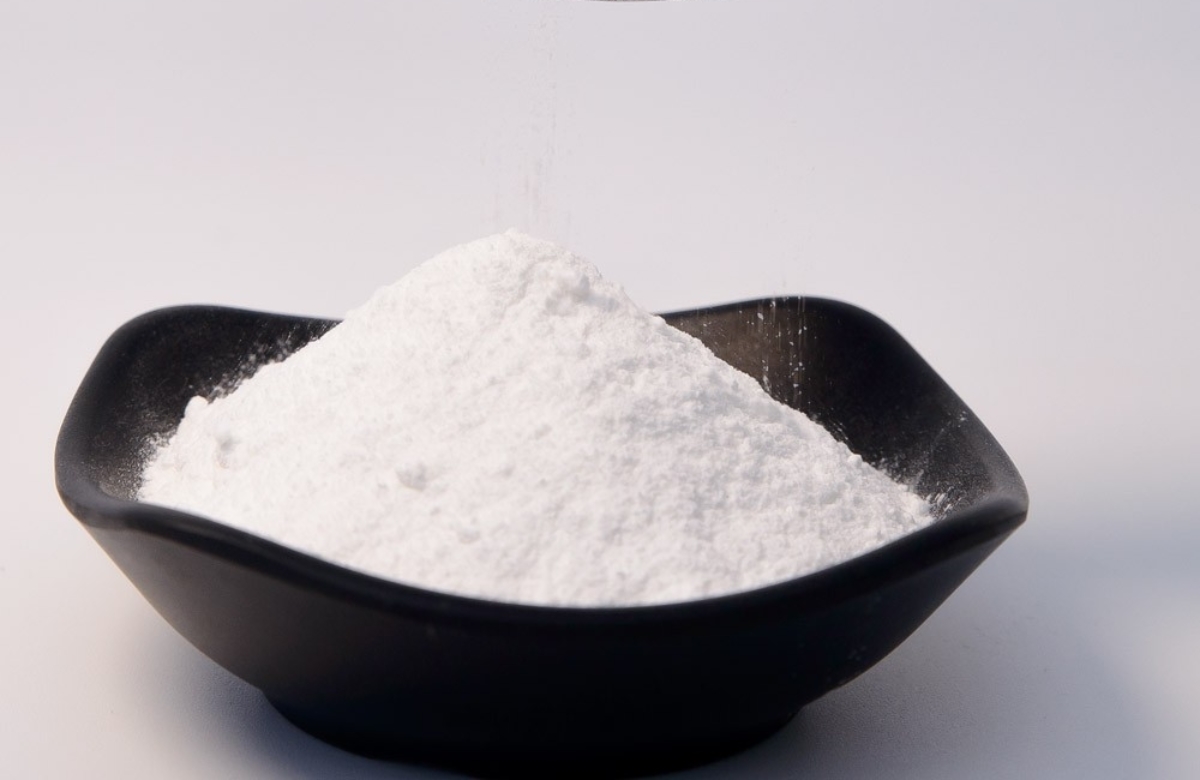
1. Sodium bicarbonate, chemically known as NaHCO3 or baking soda, exists as a white crystalline powder with a slightly salty taste and alkaline properties. It readily dissolves in water.
1. Sodium bicarbonate, chemically known as NaHCO3 or baking soda, exists as a white crystalline powder with a slightly salty taste and alkaline properties. It readily dissolves in water.
2. Sodium bicarbonate serves as the primary leavening agent in baking powder, typically comprising 50% to 80% of its composition. Its role involves reacting with acidic substances during baking, releasing carbon dioxide gas, thereby causing the dough to expand and resulting in a softer texture.
B. Auxiliary Component: Acid Salt
1. Baking powder commonly contains acid salts such as cream of tartar and citric acid. These dry, powdered substances create an acidic environment crucial for the leavening reaction.
2. Acid salts are combined with sodium bicarbonate in a 1:1 ratio in baking powder. When activated by water, they rapidly react with sodium bicarbonate, generating carbon dioxide gas to promote dough expansion.
III. Principles of Baking Powder
A. Overview of Chemical Reaction
1. The reaction between sodium bicarbonate and acid salts constitutes an acid-base neutralization reaction, yielding salt and water while releasing carbon dioxide gas.
1. The reaction between sodium bicarbonate and acid salts constitutes an acid-base neutralization reaction, yielding salt and water while releasing carbon dioxide gas.
2. Carbon dioxide gas is the byproduct of the baking powder reaction, forming bubbles within the dough, thereby causing it to rise.
B. Detailed Explanation of Reaction Process
1. Water is a critical component for triggering the reaction, as it facilitates the dissolution of baking powder components, enabling the reaction to occur.
2. Reaction rate is influenced significantly by temperature, with higher temperatures accelerating the reaction and resulting in faster dough expansion.
IV. Combination of Baking Powder with Other Ingredients
A. Baking Powder and Flour Combination
1. Recommended ratios and considerations for combining baking powder with flour vary, with a common guideline suggesting one teaspoon of baking powder per 100 grams of flour, though adjustments may be necessary based on specific recipes and preferences.
1. Recommended ratios and considerations for combining baking powder with flour vary, with a common guideline suggesting one teaspoon of baking powder per 100 grams of flour, though adjustments may be necessary based on specific recipes and preferences.
2. Proper combination of baking powder and flour enhances baking quality, resulting in softer, more palatable baked goods.
B. Baking Powder and Liquid Combination
1. Both water and milk can serve as activators for baking powder, though milk adds a richer flavor profile to baked goods(CCG also supply milk flavor powder, and can mix with baking powder and water for same demand).
2. The quantity of liquid used can impact the rate of reaction, with increased liquid promoting better dissolution and reaction, though excessive liquid may lead to overly thin dough and affect baking results.
V. Substitutes and Considerations for Baking Powder
A. Alternatives for individuals allergic to sodium bicarbonate include instant dry yeast and other chemical leavening agents.
B.It's advisable to avoid too much baking powder containing aluminum when baking, as it may have a bad taste.

(Instant dry yeast detailed pics)
VI. Conclusion
A. In conclusion, baking powder functions through the chemical reaction between sodium bicarbonate and acid salts, resulting in the release of carbon dioxide gas, which facilitates dough expansion.
B. The versatility and importance of baking powder in baking are underscored, emphasizing its role in achieving desirable baking outcomes.
Bakery Ingredients Company:
Foshan Ceng Ceng Gao Food Co., Ltd, a bakery ingredients manufacturer that was founded in 1988
and dedicated to providing high-quality and competitive baking powder, instant dry yeast, and food emulsifiers for more than 34 years.
Welcome people from all over the world to ask for a quotation about our baking powder.
Press Contact:
FOSHAN CENG CENG GAO FOOD CO., LTD
Address: Shangbai, Luocun Town, Foshan City, China
Tel: +86-0757-86449206
Mob: +86-158-4117-2731
Bread Improver: The Secret Ingredient for Perfect Breads
What are the main classifications of baking food additives?


